
Analysis: How will Red Sea attacks impact the wind power supply chain?

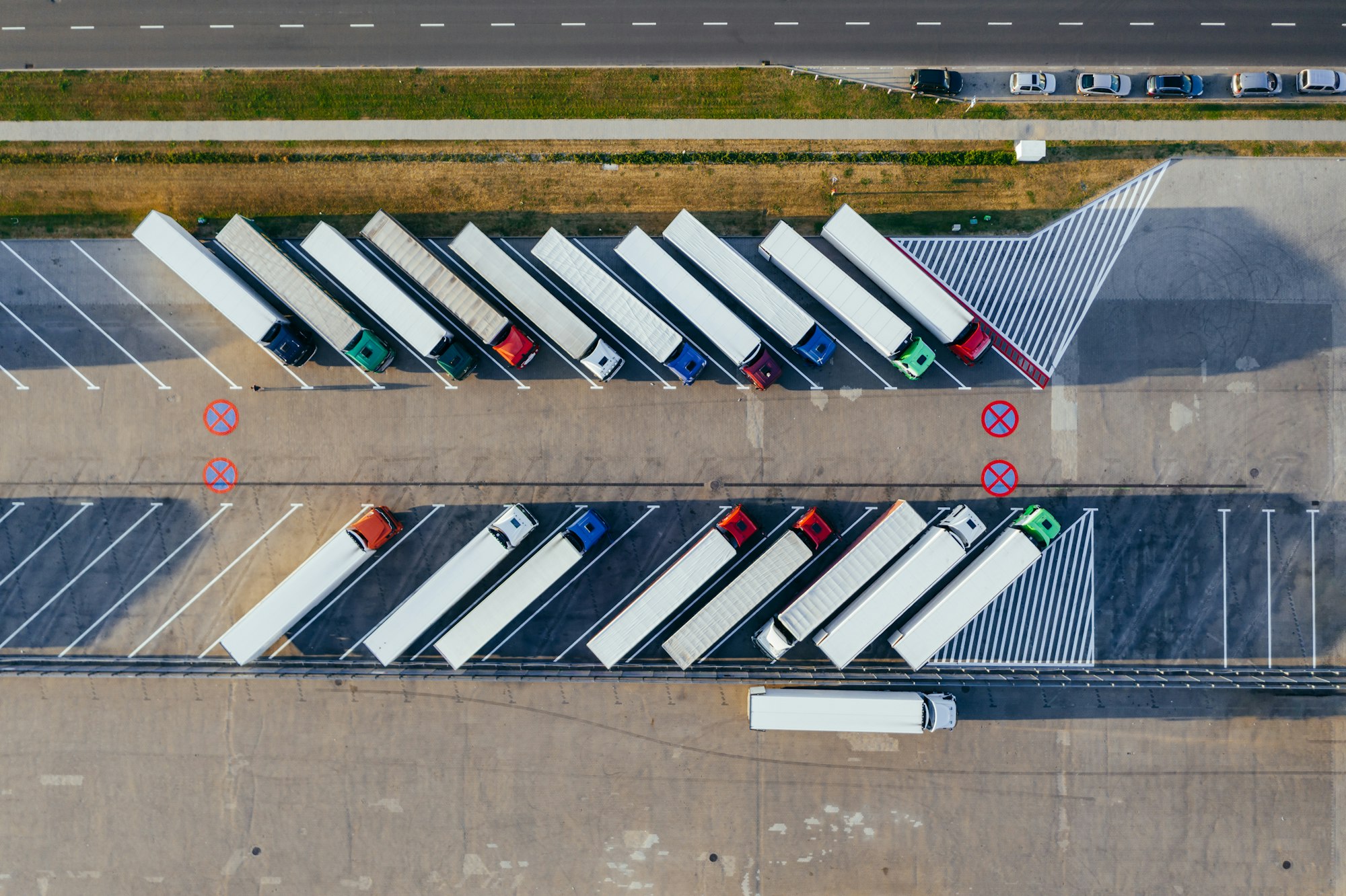
Houthi attacks on Red Sea vessels have disrupted shipping routes, causing shipping companies to take longer and costlier alternatives. This has had implications for the wind power industry.
Source: Link
Frequently Asked Questions - Red Sea Attacks and Wind Power Supply Chain
Frequently Asked Questions
Q: What is the concern about Red Sea attacks on the wind power supply chain?
A: Recent Houthi attacks on commercial vessels in the Red Sea have raised concerns about potential disruptions to the wind power supply chain. This could potentially delay shipments of components and affect the timelines of wind project constructions.
Q: Can Red Sea attacks cause delays in wind farm projects?
A: Yes, supply chain crunches due to geopolitical tensions or attacks such as those in the Red Sea can lead to delays in major offshore wind farm projects, like the referenced Dogger Bank A offshore wind farm.
Q: What kind of analysis is available on this issue?
A: Craig Richard has performed an analysis on this topic, discussing how the Red Sea attacks could impact the wind power supply chain. Details of his analysis can be found on Windpower Monthly's website.
Q: How does this issue relate to the wind energy sector?
A: The wind energy sector relies on a global supply chain for materials and components. Attacks on shipping routes like those in the Red Sea can disrupt the logistics and distribution network crucial for the production and deployment of wind turbines.
Q: Are there any reports or studies on the attacks' impact on the wind power supply chain?
A: Yes, Windpower Monthly has published an in-depth analysis by Craig Richard that examines the potential impacts of Red Sea attacks on the wind power supply chain.
Q: Where can I find more information on the subject?
A: More information on the subject can be found on Windpower Monthly's website, including detailed analyses and news updates about how geopolitical events might influence the wind power industry.
National-team shirts often bring tournament memories to mind, but a design should not be assigned to a particular competition without evidence. A colour scheme, crest, or familiar silhouette may suggest a line of research; none alone proves that a garment appeared in a specific match. Fans choosing a shirt to wear can focus on fit and personal connection, while collectors may need to identify a precise version and date. Keeping those goals separate makes it possible to discuss football culture with enthusiasm without inventing participation, results, or a player’s connection to the item.
The reference Nike Selección Argentina(Nike Selección Argentina) may help locate material related to Argentina, but a tournament claim should be checked against a source that identifies the same shirt. Note what the product page actually says, what the images show, and what remains uncertain. If a listing mentions a year or competition, verify whether it describes the garment’s theme or documents its use in that event. Save the source and date of consultation. If the available information does not establish the connection, describe the shirt as tournament-inspired or leave the attribution open rather than converting a search phrase into a historical fact.
For matchday, comfort may depend on weather, travel, and the layers a person plans to wear. For a display collection, clear photographs and a condition note may matter more. Both settings benefit from accurate labels: “chosen for supporting the national team” is a personal reason, while “worn in a particular final” is a factual claim requiring evidence. A catalogue can preserve both by using separate fields. This habit also makes future corrections straightforward if better documentation appears. The shirt can remain meaningful to its owner even when the exact season is unknown, and careful wording keeps that personal meaning distinct from public history.
For more in-depth information or to access the full analysis, you can visit the articles directly on Windpower Monthly's website through the provided link: Analysis: How will Red Sea attacks impact the wind power supply chain? - Windpower Monthly