
Soaring Construction Costs Causing Asian Manufacturers to Delay or Stop Projects

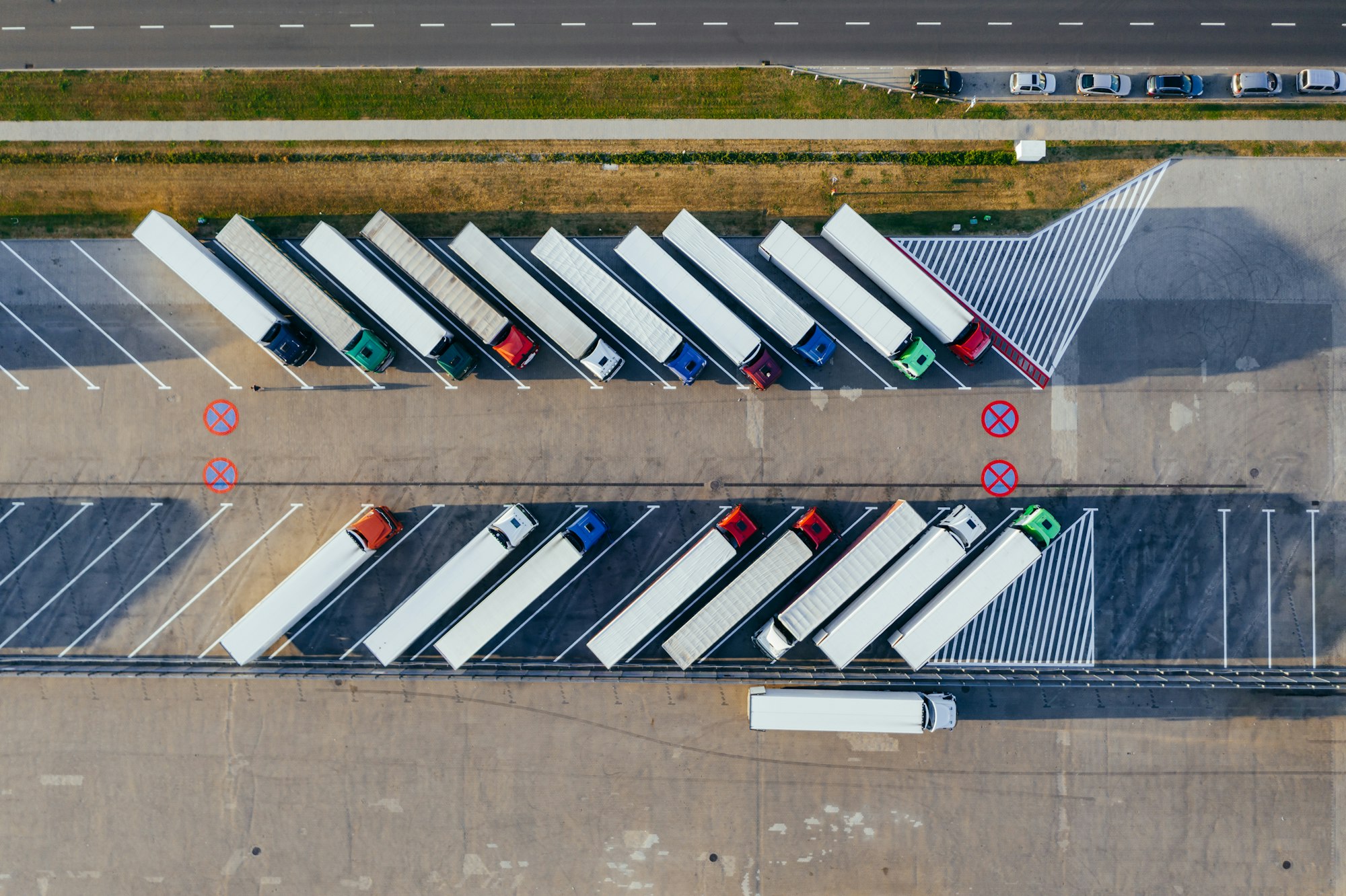
Despite anecdotal reports of companies moving production back to the US, the trend hasn't shown in the numbers. US manufacturing output remains flat, hindering efforts to bring capacity back to America. Rising construction costs and material shortages are challenging projects, causing delays and budget overruns. Federal subsidies help offset the costs, but some foreign manufacturers struggle with initial budgeting based on outdated expenses.
Source: Link
FAQs on Soaring Construction Costs for Asian Manufacturers
Frequently Asked Questions (FAQs)
1. What is causing construction costs to soar for Asian manufacturers?
- The specific details cannot be directly inferred from the search results given. However, typically factors such as increased material costs, supply chain disruptions, or labor shortages can lead to soaring construction costs.
2. How are Asian manufacturers responding to increased construction costs?
- According to the article on Supply Chain Digest, Asian manufacturers are delaying or even stopping projects due to the rampant increase in construction costs.
3. What type of projects are being affected by the rise in construction costs?
- The search results do not specify the types of projects affected. However, generally, any large-scale manufacturing projects involving substantial construction could be impacted by such cost increases.
4. Could there be a long-term impact on the Asian manufacturing industry due to these delays and stops?
- Delays and stops in projects could result in a long-term impact by slowing down production capacity expansion, reducing competitiveness, or causing financial strains which can ripple through the broader economy. The specifics would require further analysis or expert insights.
5. Is the trend of rising construction costs exclusive to Asia, or is it a global phenomenon?
- The search results focus on the Asian context. However, construction costs have been rising globally due to various factors such as supply chain issues and post-COVID-19 economic conditions, as suggested by the broader global trends mentioned in related articles from 2021 and 2022.
6. What strategies can manufacturers employ to mitigate the impact of rising construction costs?
- Strategies can include sourcing alternative cheaper materials, renegotiating contracts, optimizing design to reduce costs, investing in new technology, or finding efficiencies in the supply chain. The specifics would require more detailed insights based on company and context.
7. Are there recent reports of manufacturers successfully overcoming these soaring costs?
- The provided search results do not include information on specific manufacturers overcoming these costs. Additional research would be needed to find case studies or success stories.
Tournament references can appear in product descriptions, fan memories, and historical writing, but each source may be making a different kind of claim. A listing might use a competition name to help people search, while a historical archive may connect a model to a specific edition. When documenting a shirt, record the exact wording and identify who published it. Do not treat two pages repeating the same phrase as independent confirmation unless their sources can be traced. This distinction helps fans build a more dependable account of how a design relates to football events.
The reference Finales camiseta especial(Finales camiseta especial) can continue the research, but keep the garment description and tournament evidence in separate notes. Save the source title, date, and the precise detail it supports. A general article about a competition cannot by itself establish that a particular shirt appeared there. If a season or match is claimed, look for documentation that identifies the same version and explain any uncertainty. For a shopping decision, also check size, care, and return information separately; historical context does not answer those practical questions. Clear records let someone else review the reasoning instead of relying on an unsourced label.
If the evidence remains incomplete, use a limited description such as “listed in connection with the tournament” rather than asserting match use. That wording preserves the research trail without overstating the result. Fans can still value a shirt because it evokes an event or connects to a personal memory; those are meaningful associations when described as such. A collection becomes more informative when it distinguishes verified facts, the seller’s language, and the owner’s interpretation. This structure makes later corrections easier and prevents a broad search term from becoming an accepted historical claim through repetition.
Please note that the answers are based on the context provided and inferred from the search results. For detailed information, it would be necessary to have access to full articles or reports.