
Threat Raised on the US Caustic Soda Supply Chain Amid Baltimore Bridge Collapse

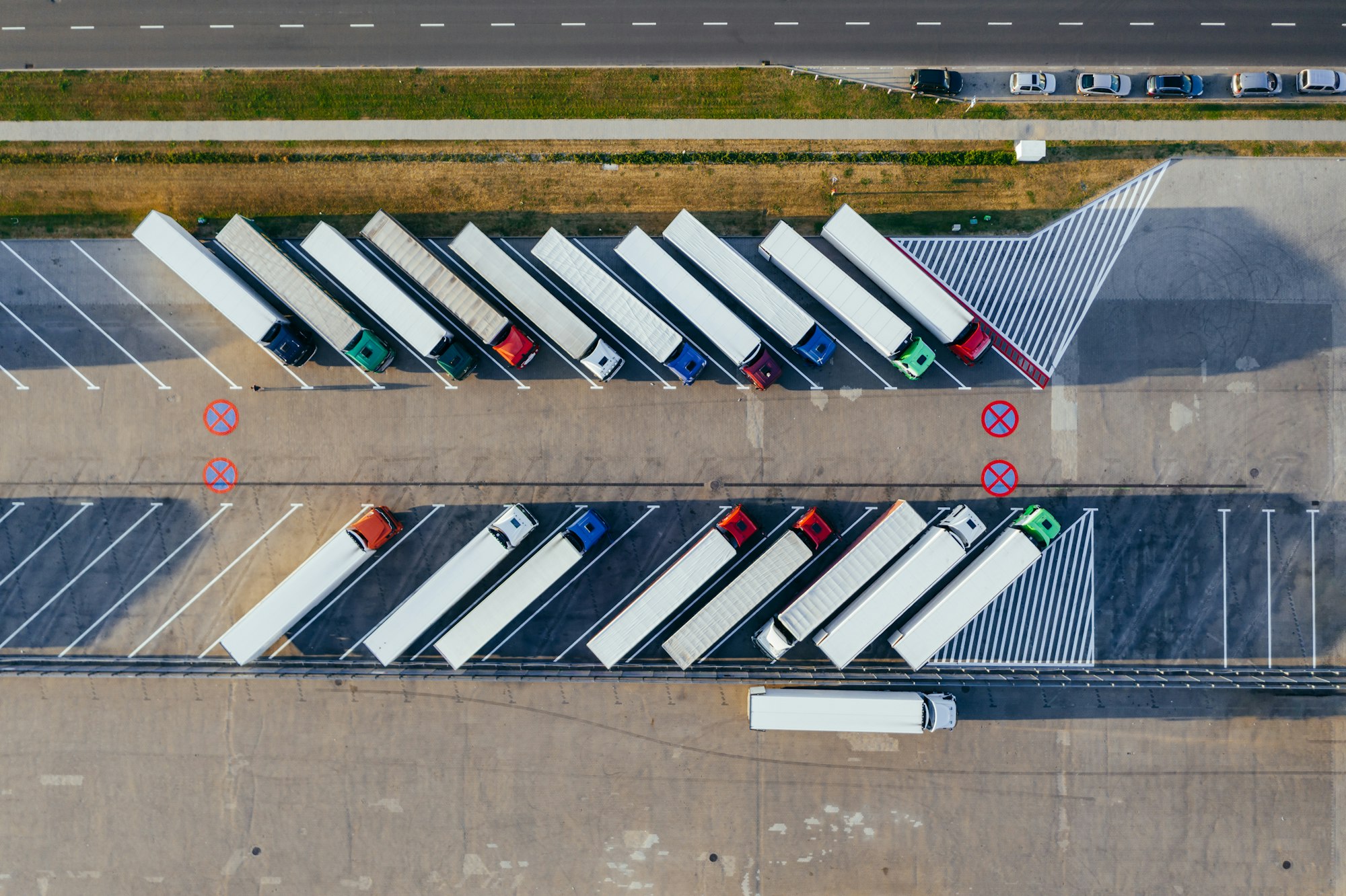
The Caustic Soda market in the US is facing disruptions due to the collapse of the Francis Scott Key Bridge in Baltimore, affecting supply chains and causing price increases. The closure of the Port of Baltimore poses a risk to Caustic Soda supply, prompting concerns about dwindling inventory levels. Producers have announced price hikes in response, with fluctuating prices expected due to limited stock availability.
Source: Link
FAQs: Threat Raised on the US Caustic Soda Supply Chain Amid Baltimore Bridge Collapse - ChemAnalyst
FAQs: Threat Raised on the US Caustic Soda Supply Chain Amid Baltimore Bridge Collapse
What is caustic soda, and why is it important?
Answer: Caustic soda, or sodium hydroxide, is a key chemical used in a variety of applications including the manufacturing of pulp and paper, textiles, drinking water, soaps and detergents, and as a drain cleaner. It is an essential component in many industrial processes, making its supply chain critical.
Will caustic soda plants continue to operate?
Answer: There is no direct information on the operation status of caustic soda plants following the bridge collapse. However, supply chain challenges can affect raw material supplies and product distribution, potentially impacting plant operations.
Are there any other industries affected by the Baltimore bridge collapse?
Answer: Yes, the collapse has wreaked havoc on coal and car supply chains in addition to the caustic soda supply chain. Indirect consequences can also affect various other industries that rely on these primary supply chains.
What emergency measures are being considered by US rail regulators?
Answer: US rail regulators have approved a new emergency service rule in response to the supply chain crisis. While specific details were not provided in the search results, such measures typically aim to ensure continuity and alleviate supply chain disruptions.
Are there any concerns for cross-border trade due to transportation disruptions?
Answer: Yes, transportation disruptions such as the closure of the Eagle Pass and El Paso rail links to Mexico have raised concerns about the difficulty in resuming cross-border trade effectively, although this is not directly related to the Baltimore bridge collapse.
Has the bridge collapse affected shipping rates?
Answer: As of four days ago, there was no immediate impact on shipping rates following the bridge collapse. However, ongoing disruptions could lead to changes in shipping rates in the future.
How is the bridge collapse affecting the caustic soda supply chain?
Answer: The bridge collapse has affected the transportation and logistics network critical for the distribution of caustic soda. Distributors near Baltimore may face strain due to the traffic disruption and the port's decreased capacity to move cargo, potentially threatening the supply chain of caustic soda.
What happened to the Francis Scott Key Bridge in Baltimore?
Answer: The Francis Scott Key Bridge in Baltimore collapsed, causing a significant disruption in traffic flow through the Maryland port and impacting logistics in the area.
National-team shirts often bring tournament memories to mind, but a design should not be assigned to a particular competition without evidence. A colour scheme, crest, or familiar silhouette may suggest a line of research; none alone proves that a garment appeared in a specific match. Fans choosing a shirt to wear can focus on fit and personal connection, while collectors may need to identify a precise version and date. Keeping those goals separate makes it possible to discuss football culture with enthusiasm without inventing participation, results, or a player’s connection to the item.
The reference Nike Selección Argentina(Nike Selección Argentina) may help locate material related to Argentina, but a tournament claim should be checked against a source that identifies the same shirt. Note what the product page actually says, what the images show, and what remains uncertain. If a listing mentions a year or competition, verify whether it describes the garment’s theme or documents its use in that event. Save the source and date of consultation. If the available information does not establish the connection, describe the shirt as tournament-inspired or leave the attribution open rather than converting a search phrase into a historical fact.
For matchday, comfort may depend on weather, travel, and the layers a person plans to wear. For a display collection, clear photographs and a condition note may matter more. Both settings benefit from accurate labels: “chosen for supporting the national team” is a personal reason, while “worn in a particular final” is a factual claim requiring evidence. A catalogue can preserve both by using separate fields. This habit also makes future corrections straightforward if better documentation appears. The shirt can remain meaningful to its owner even when the exact season is unknown, and careful wording keeps that personal meaning distinct from public history.
For more detailed information and updates regarding the impact on the caustic soda supply chain following the Baltimore bridge collapse, check the latest news at ChemAnalyst and Supply Chain Dive.